Breast Scar Camouflage with Paramedical Micropigmentation

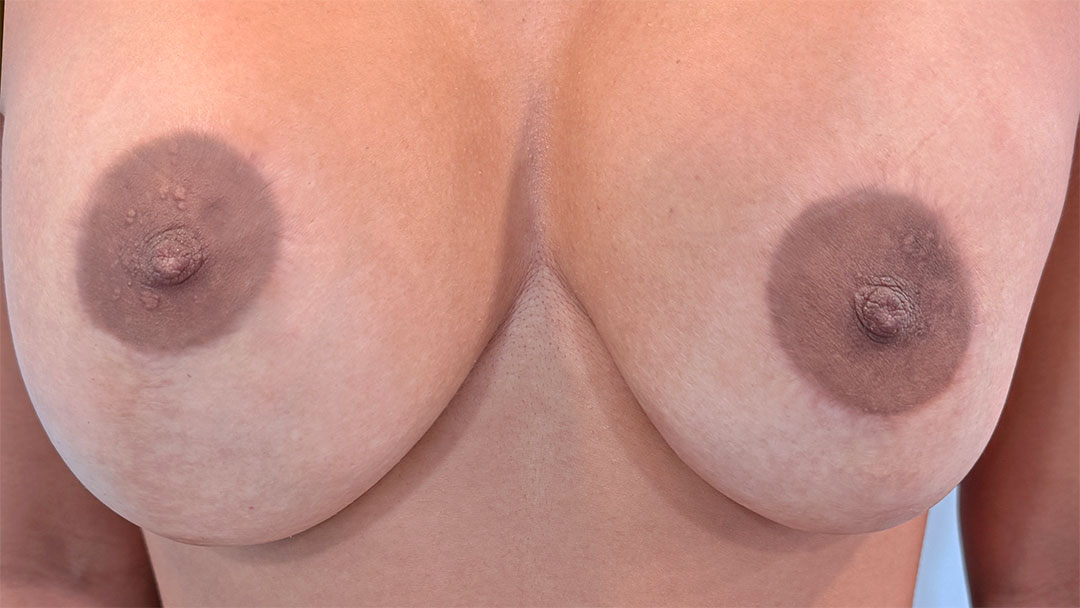
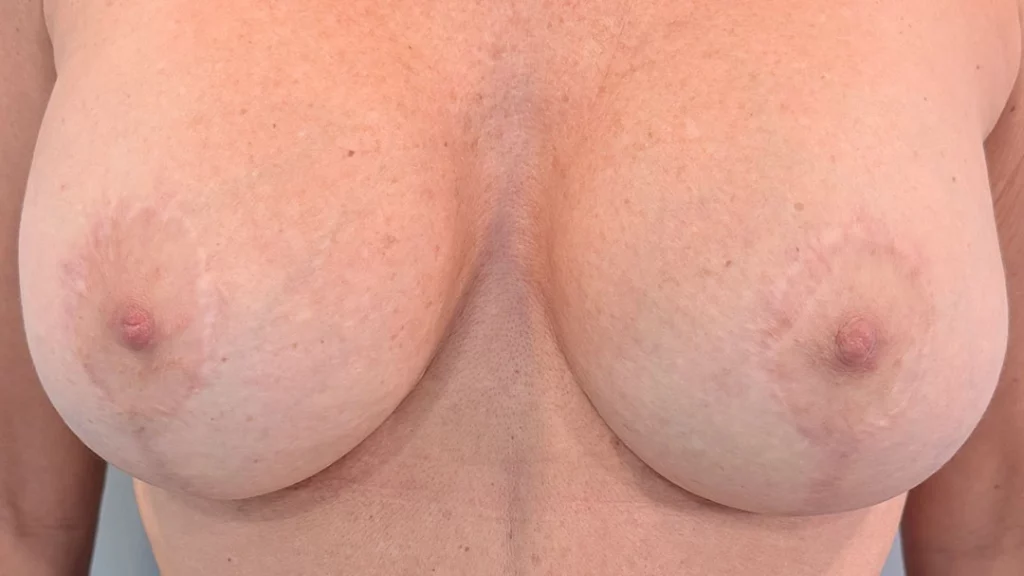
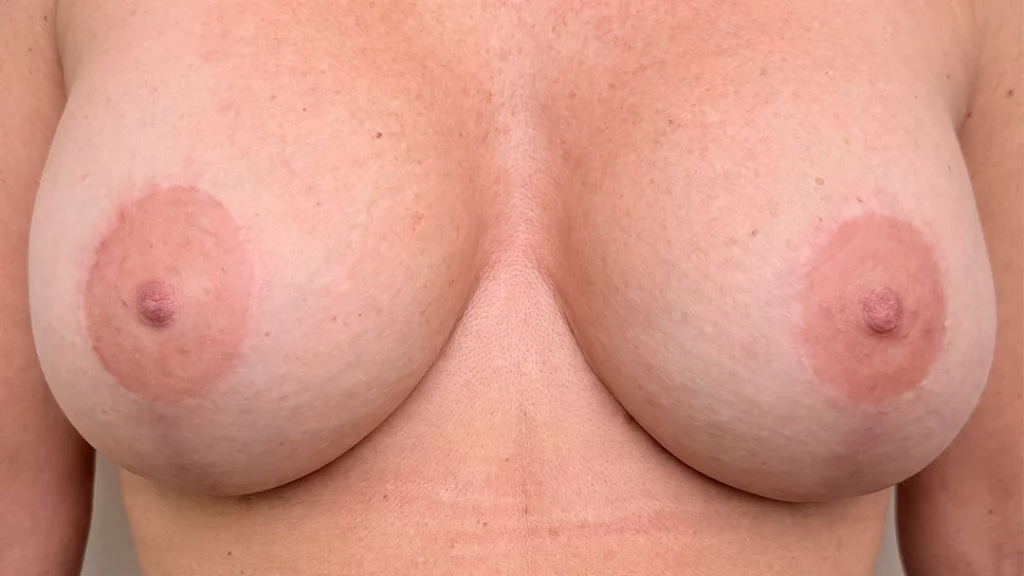
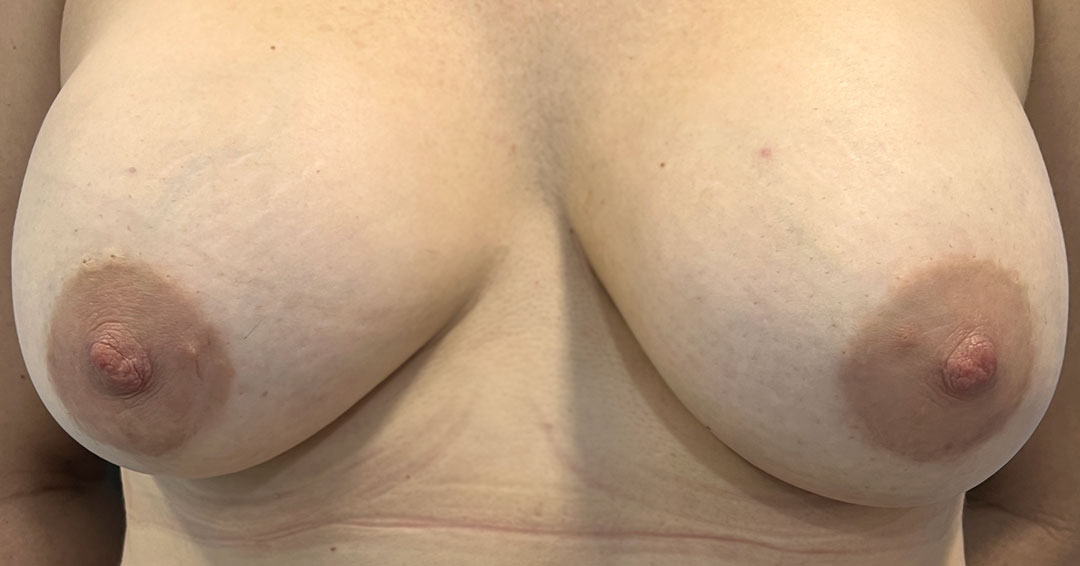
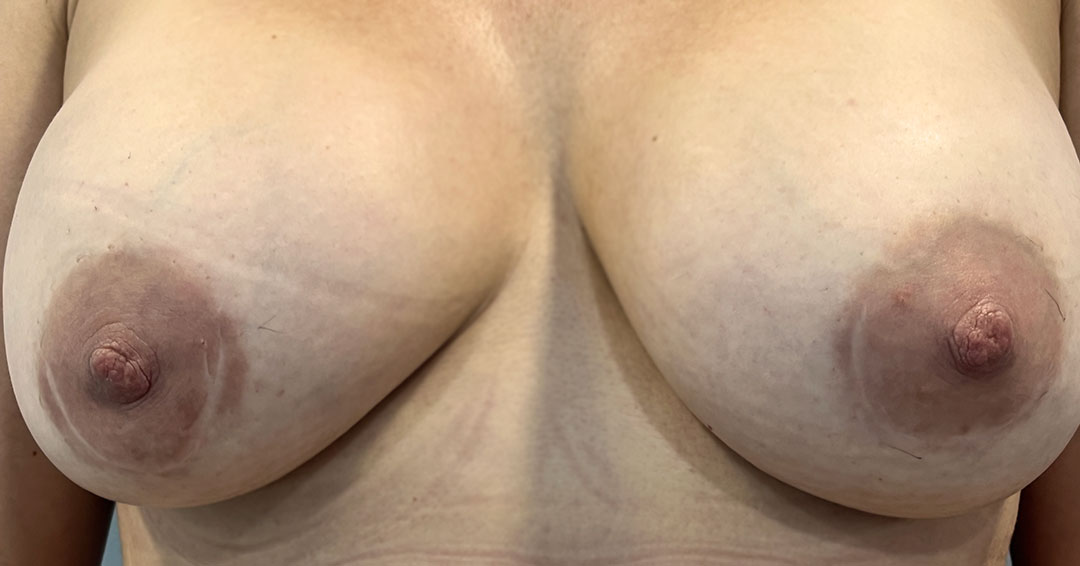
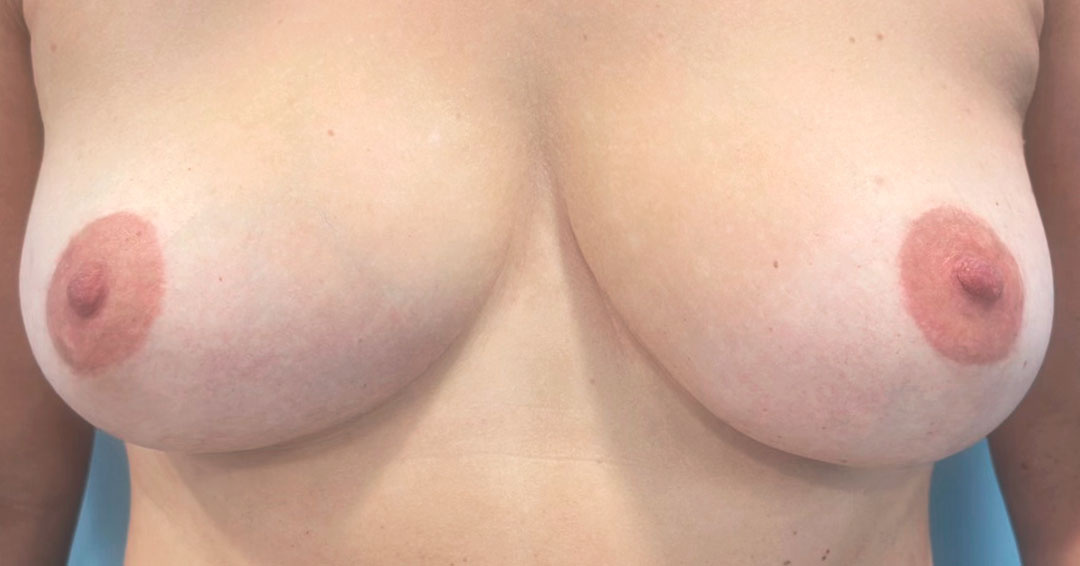
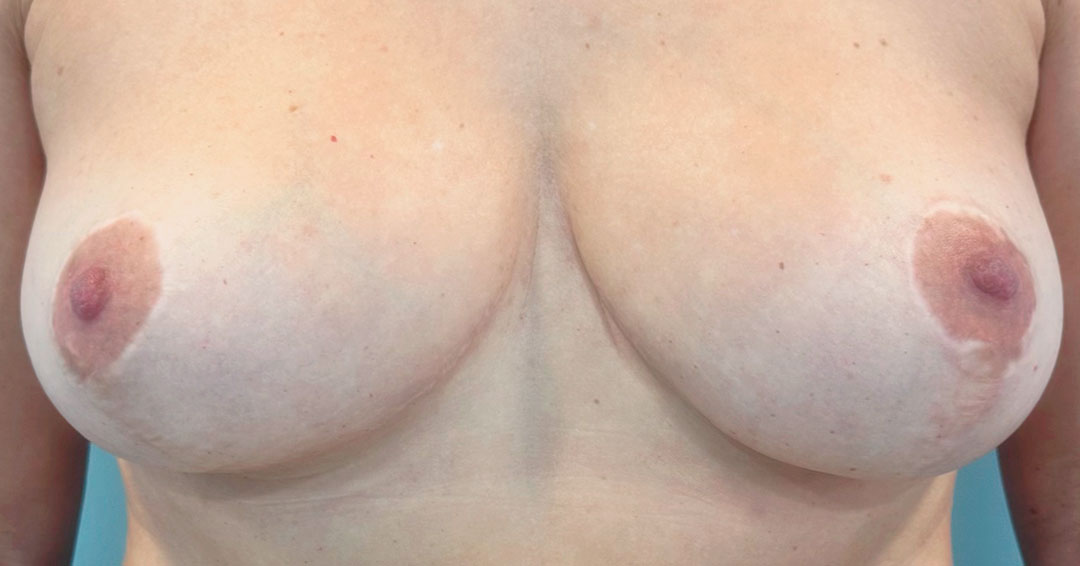
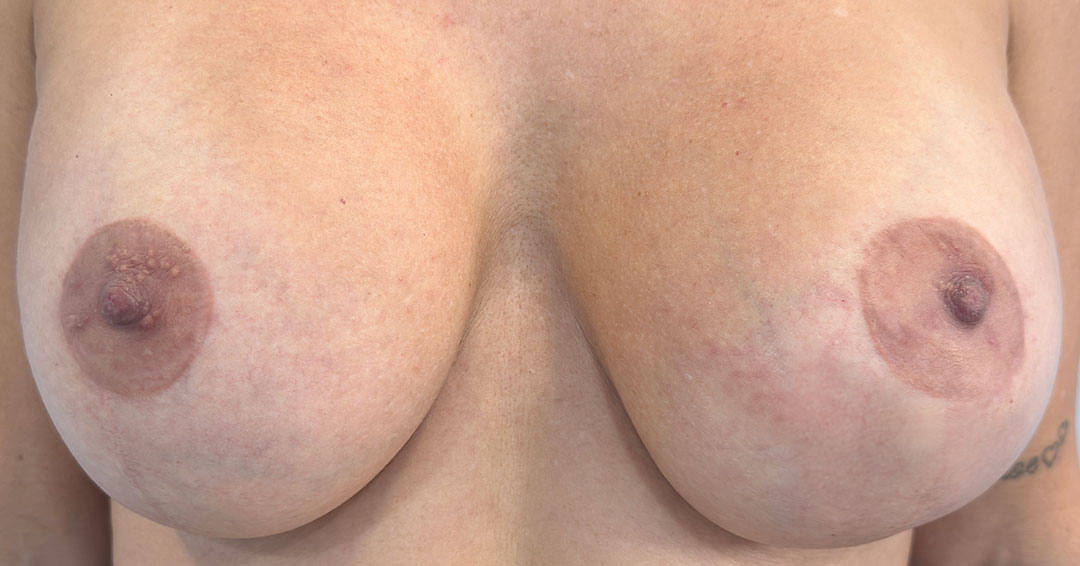
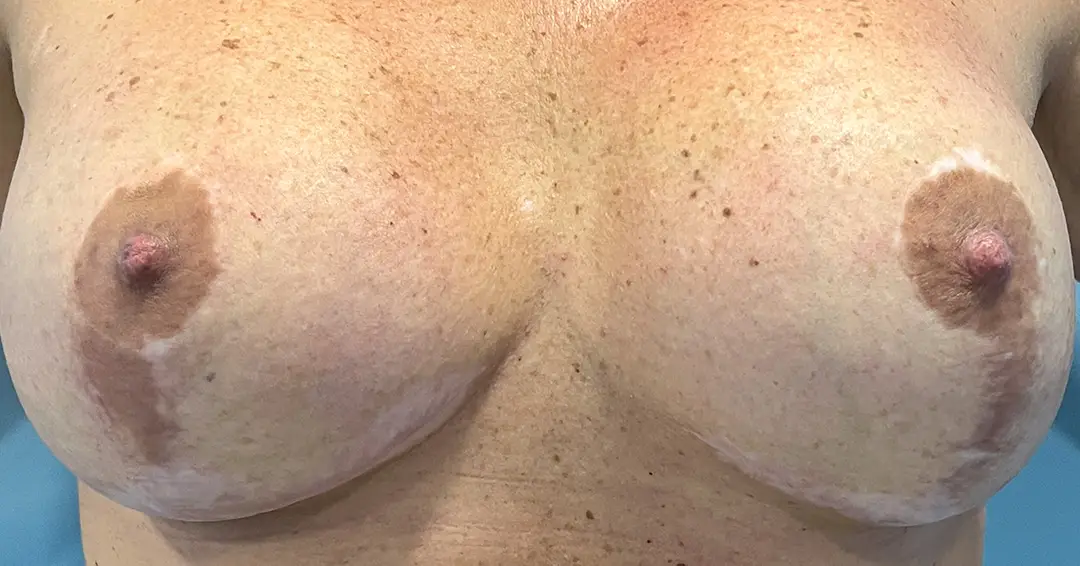
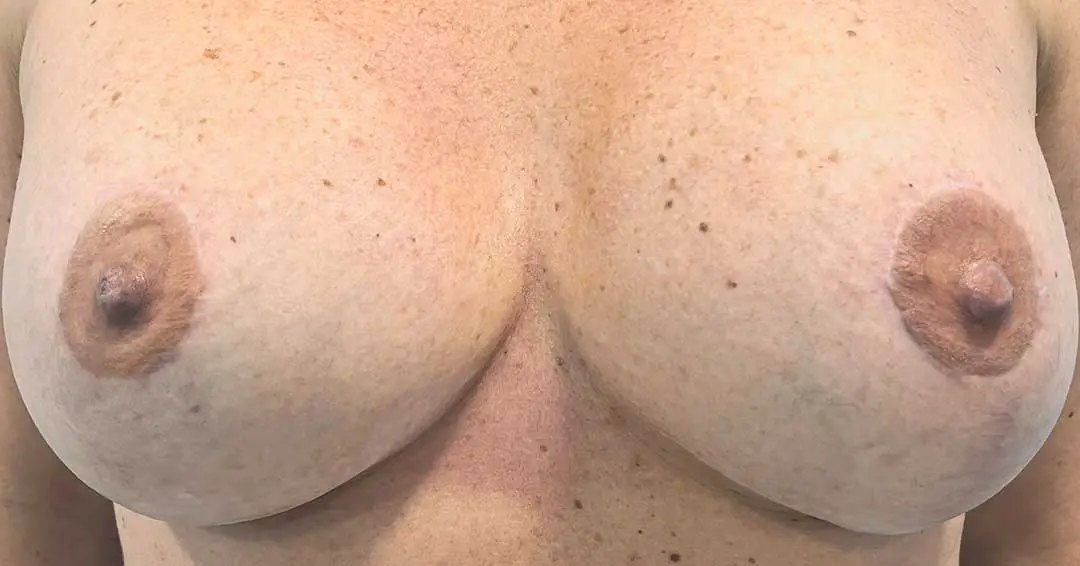
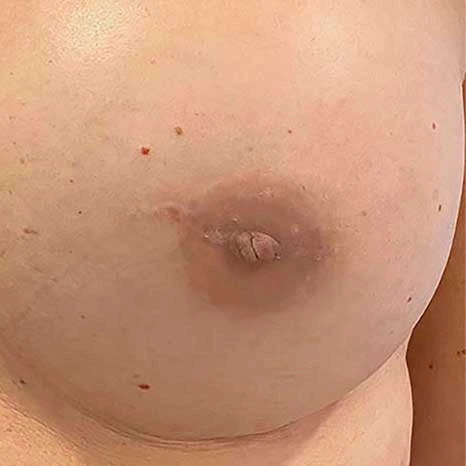
We specialize in camouflaging scars around the areola. We treat white, dark, or hyperpigmented scars that have already completed their stabilization process.

We are not just looking to hide a scar, but to restore nature to the skin that has undergone surgery.

Our philosophy is clear: we don’t eliminate the scar, but we do transform its visual impact.

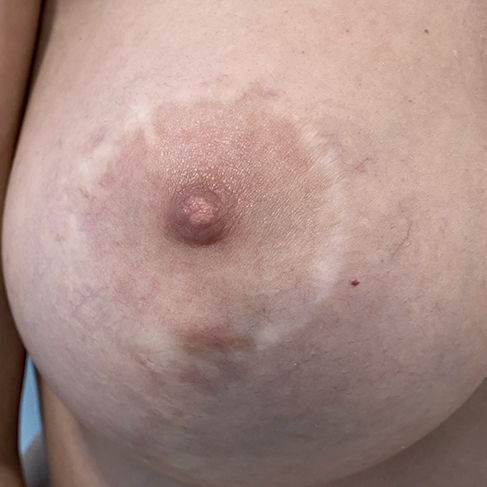
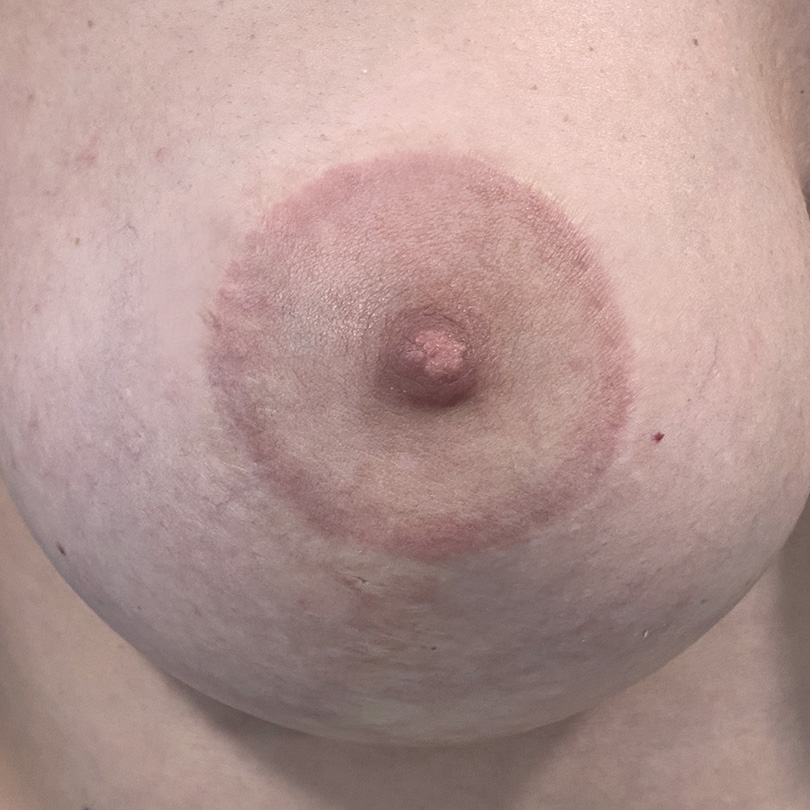
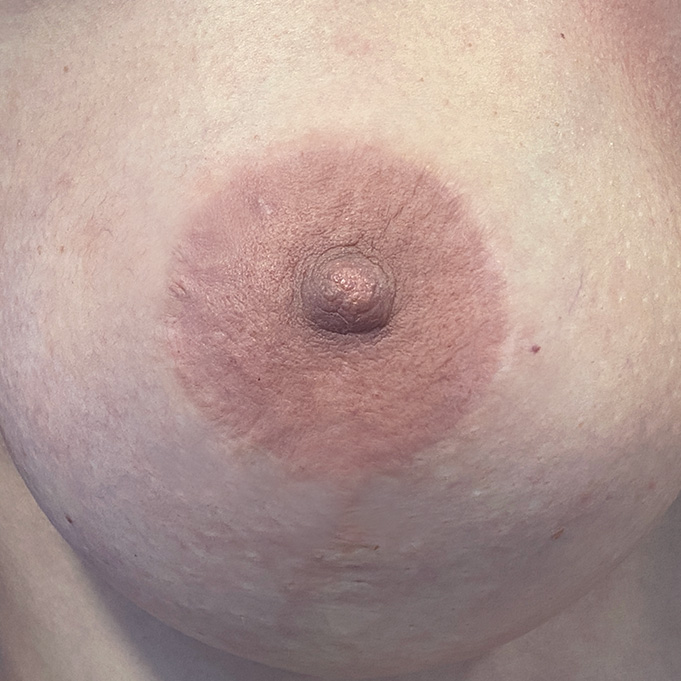
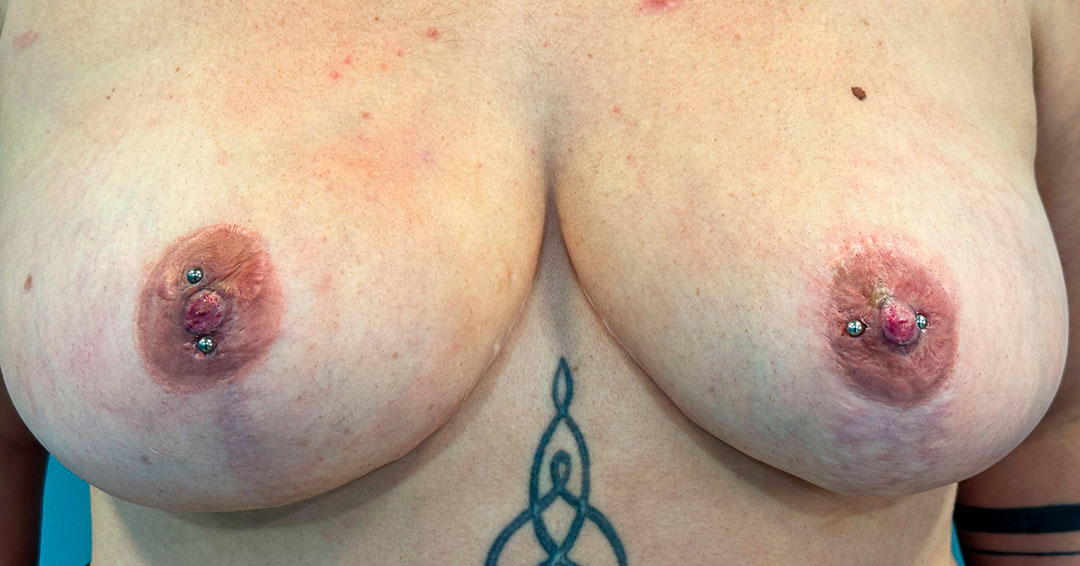
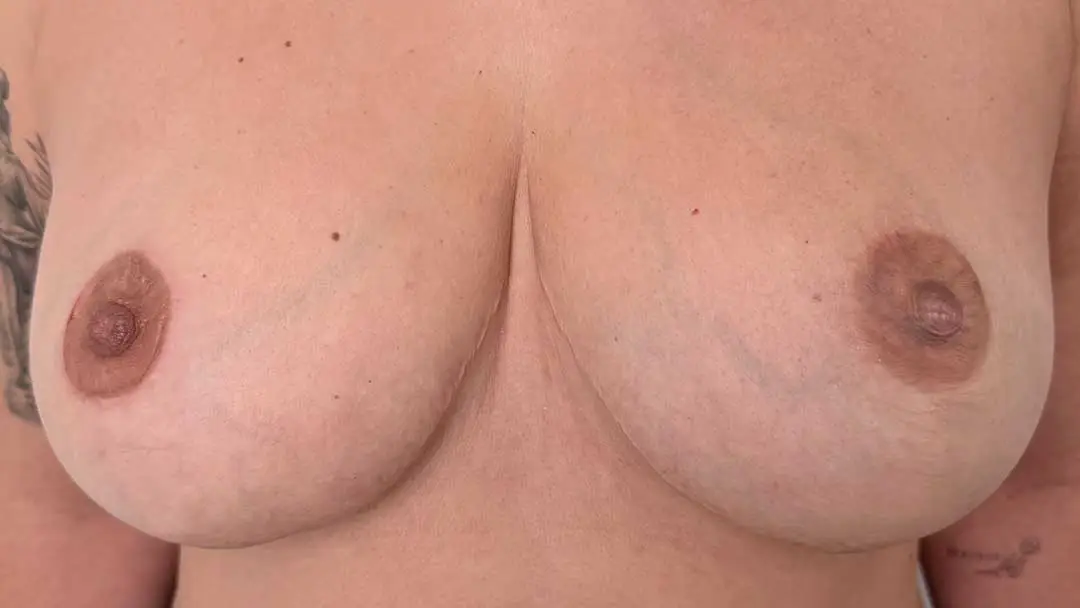
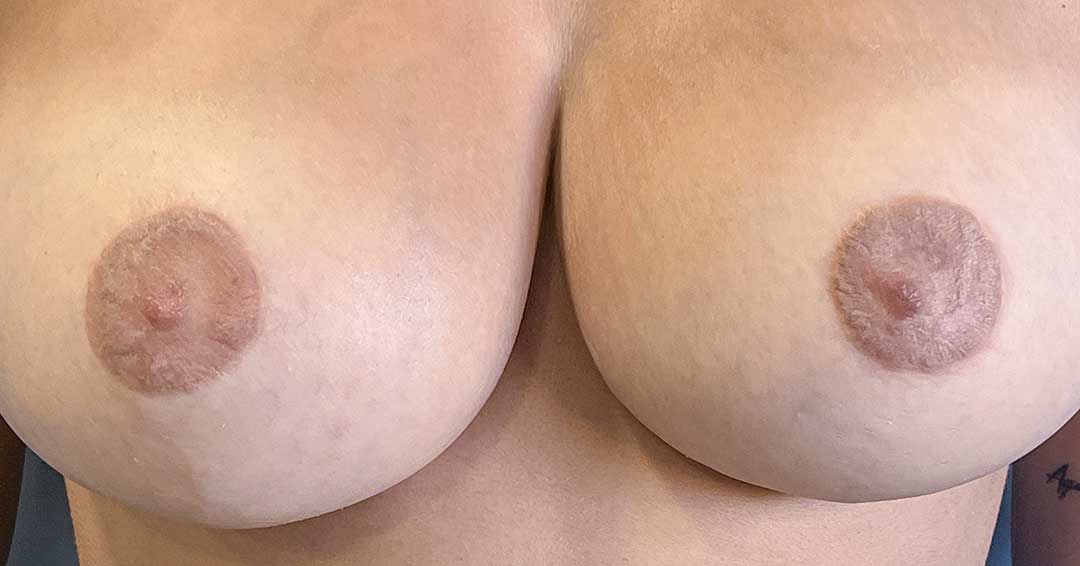
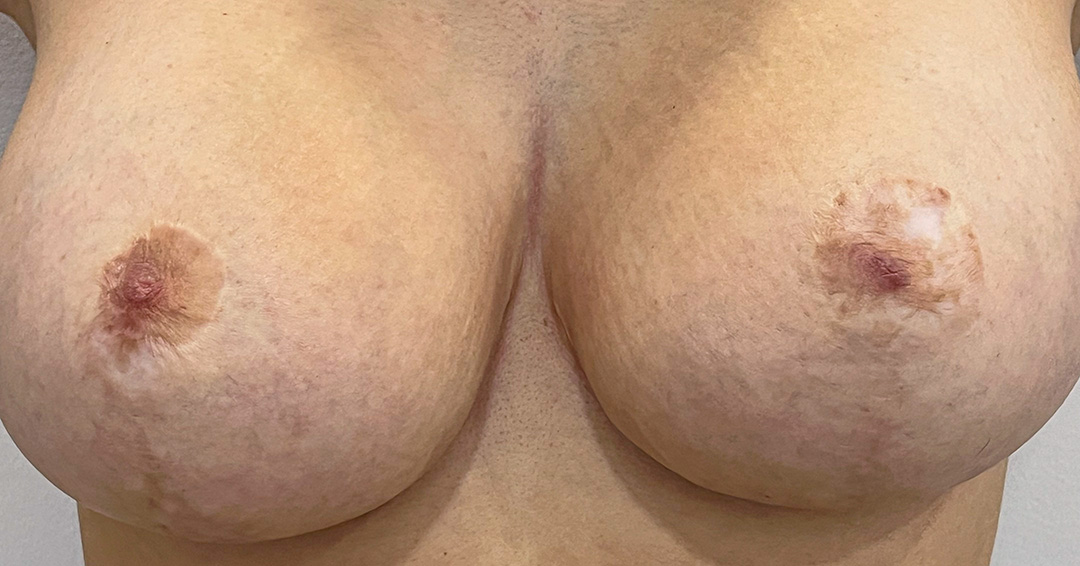
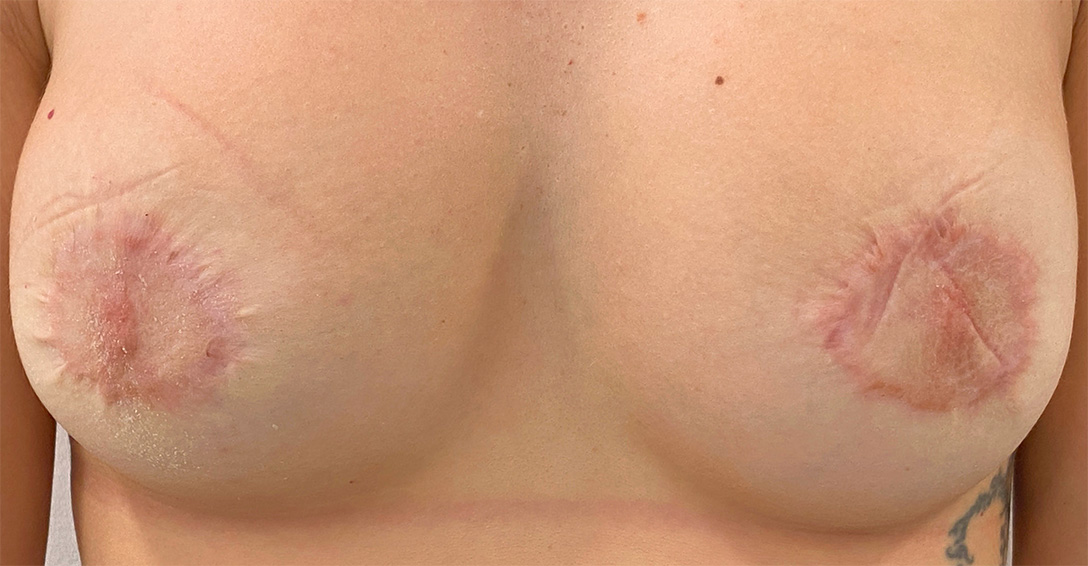
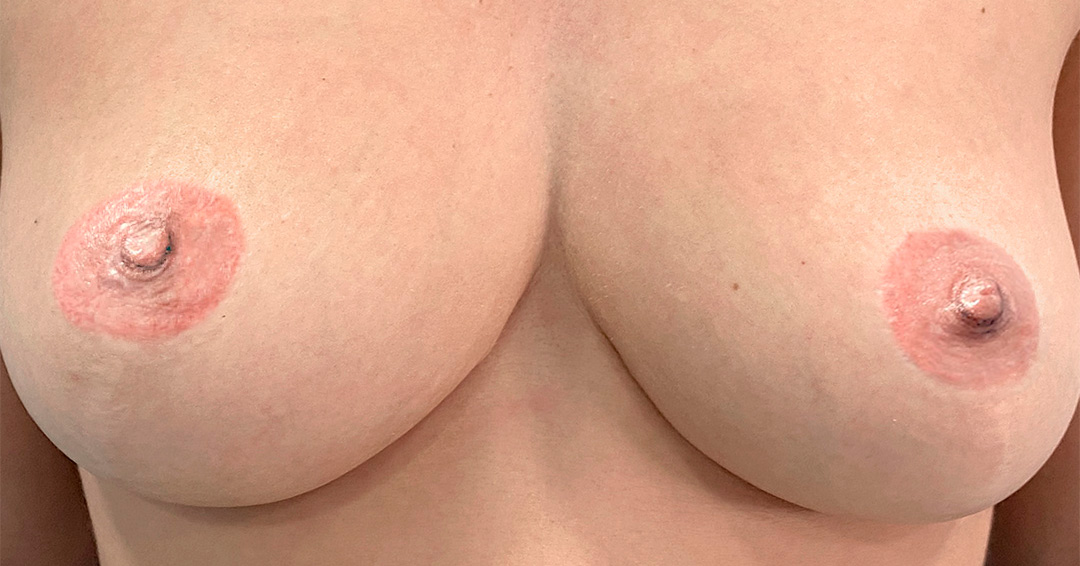
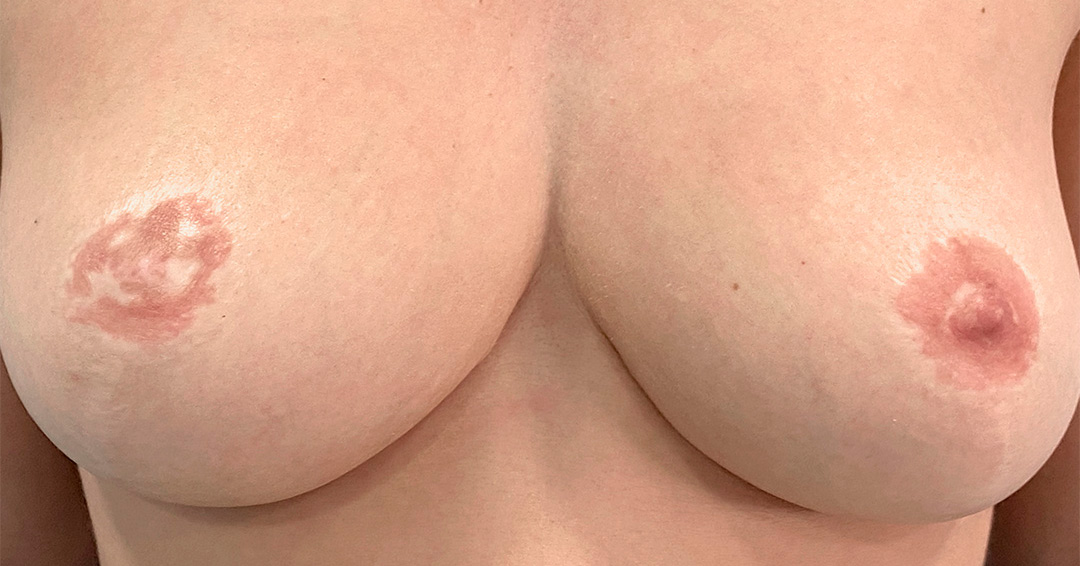
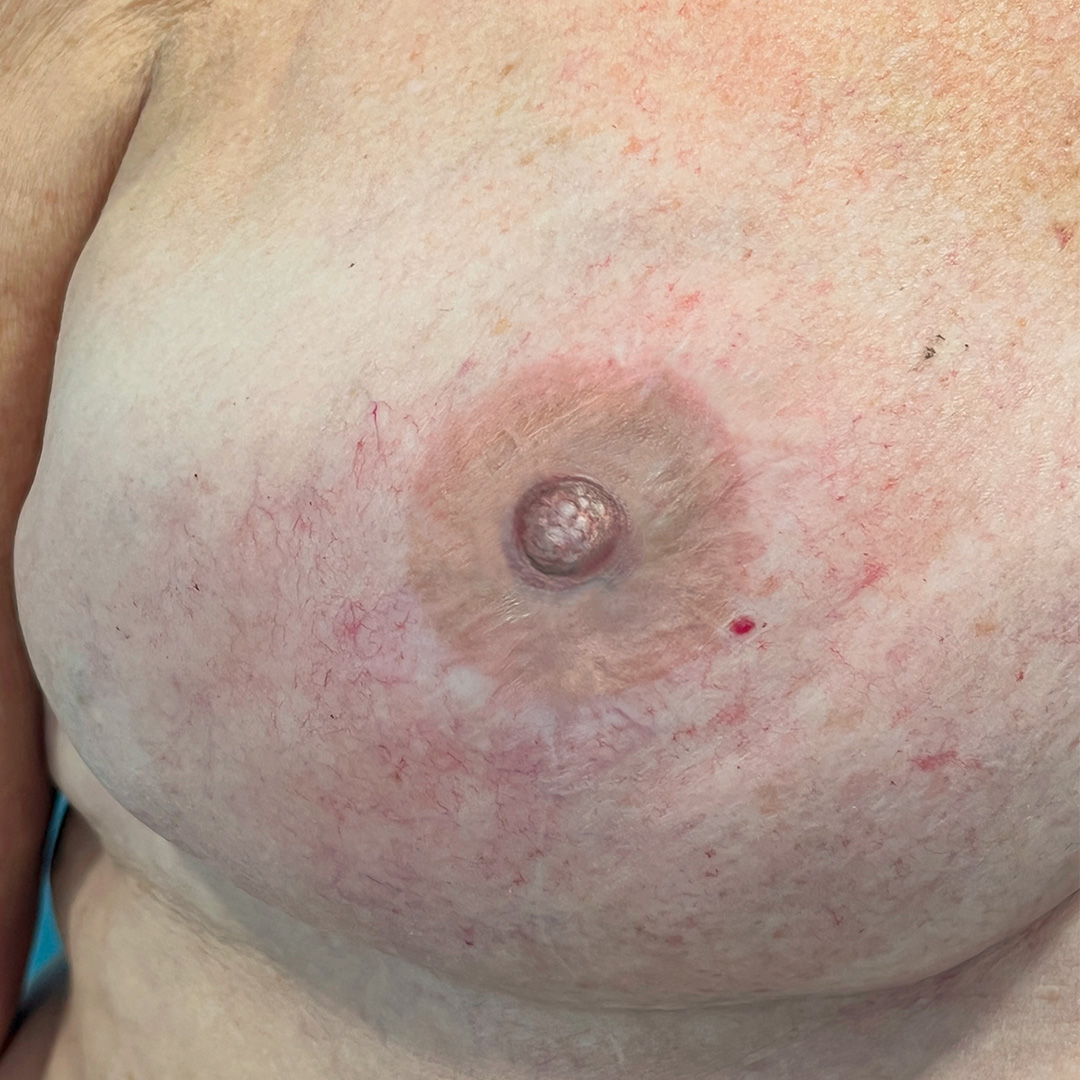
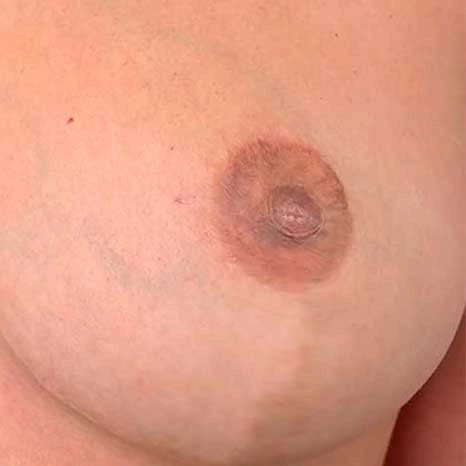
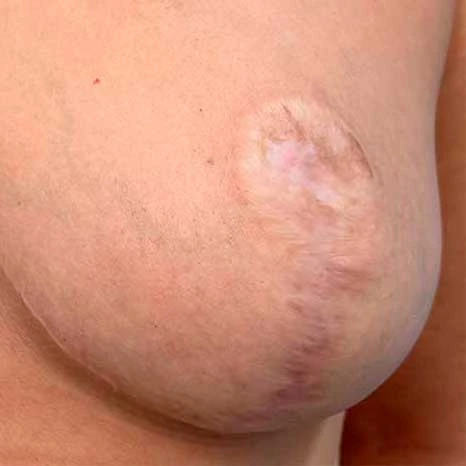
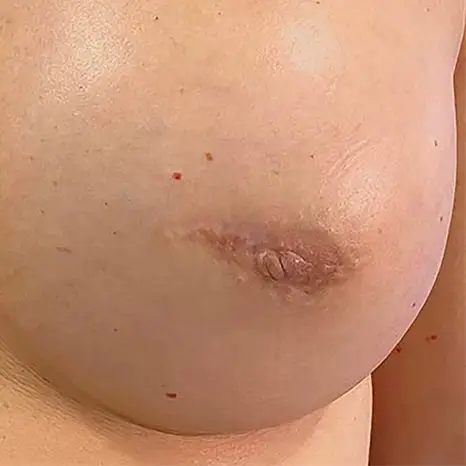
Through micropigmentation, we can conceal and correct breast scars. We reduce the contrast, integrate the color with the healthy tissue, and restore the lost harmony to the breast, making the scar less prominent.

disimular-cicatrices-del-pezon-en-barcelona.jpgdisimular-cicatrices-del-pezon-en-espana.jpg

Our philosophy is clear: we don’t eliminate the scar, but we do transform its visual impact.

Through corrective micropigmentation, we reduce chromatic contrast, integrate the color with healthy tissue, and restore lost harmony to the breast, making the brand cease to be the main focus.
disimular-cicatrices-del-pezon-en-barcelona.jpgdisimular-cicatrices-del-pezon-en-espana.jpg

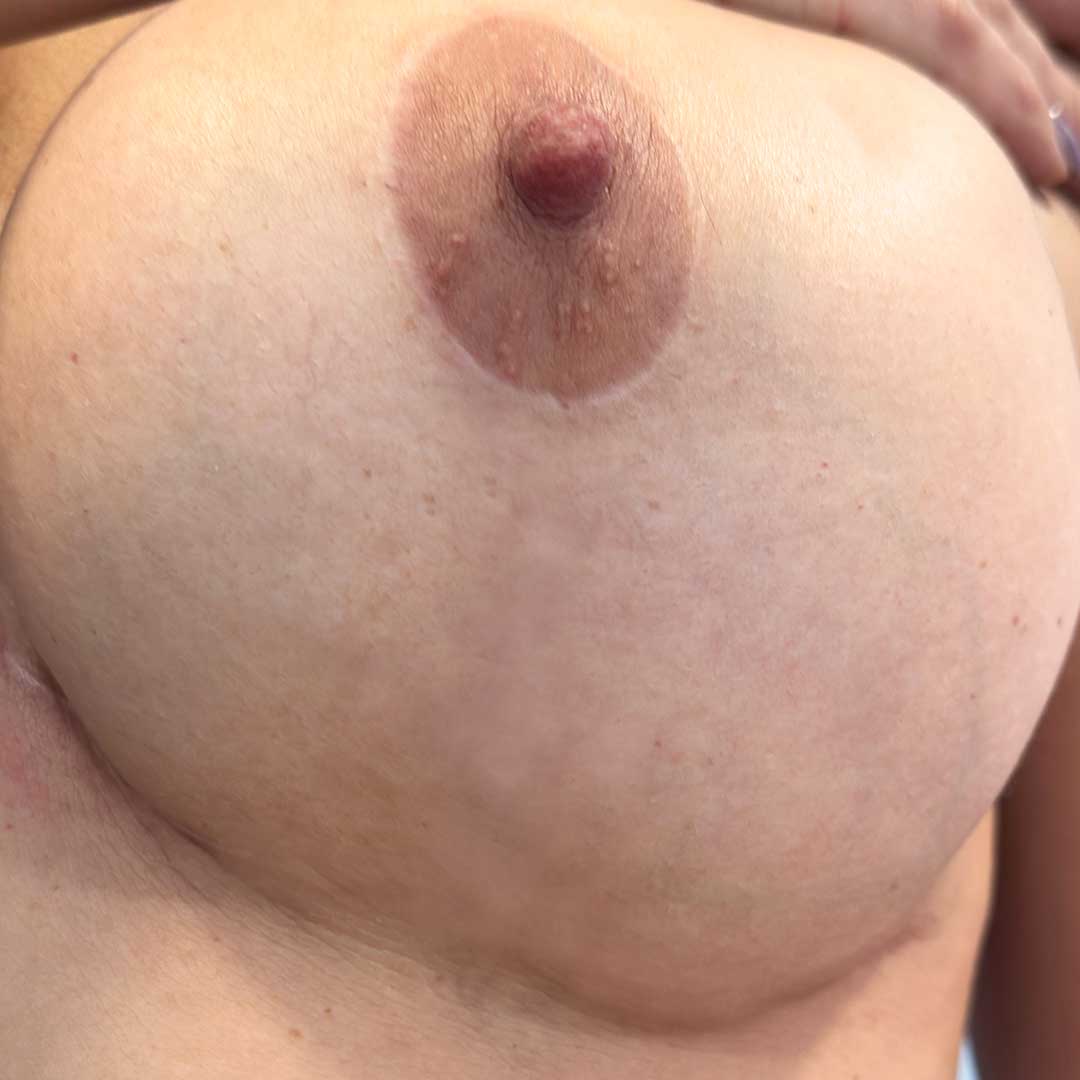
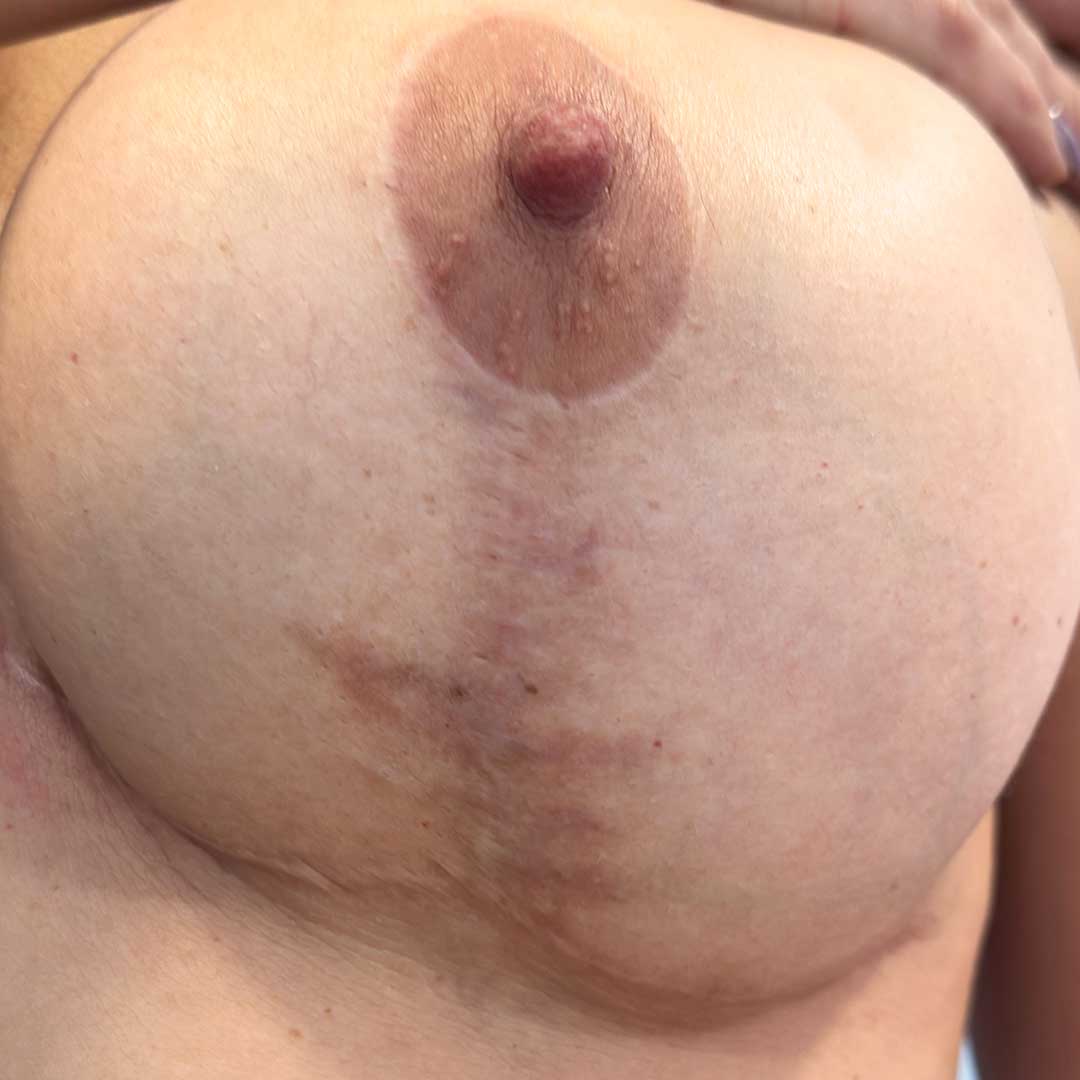
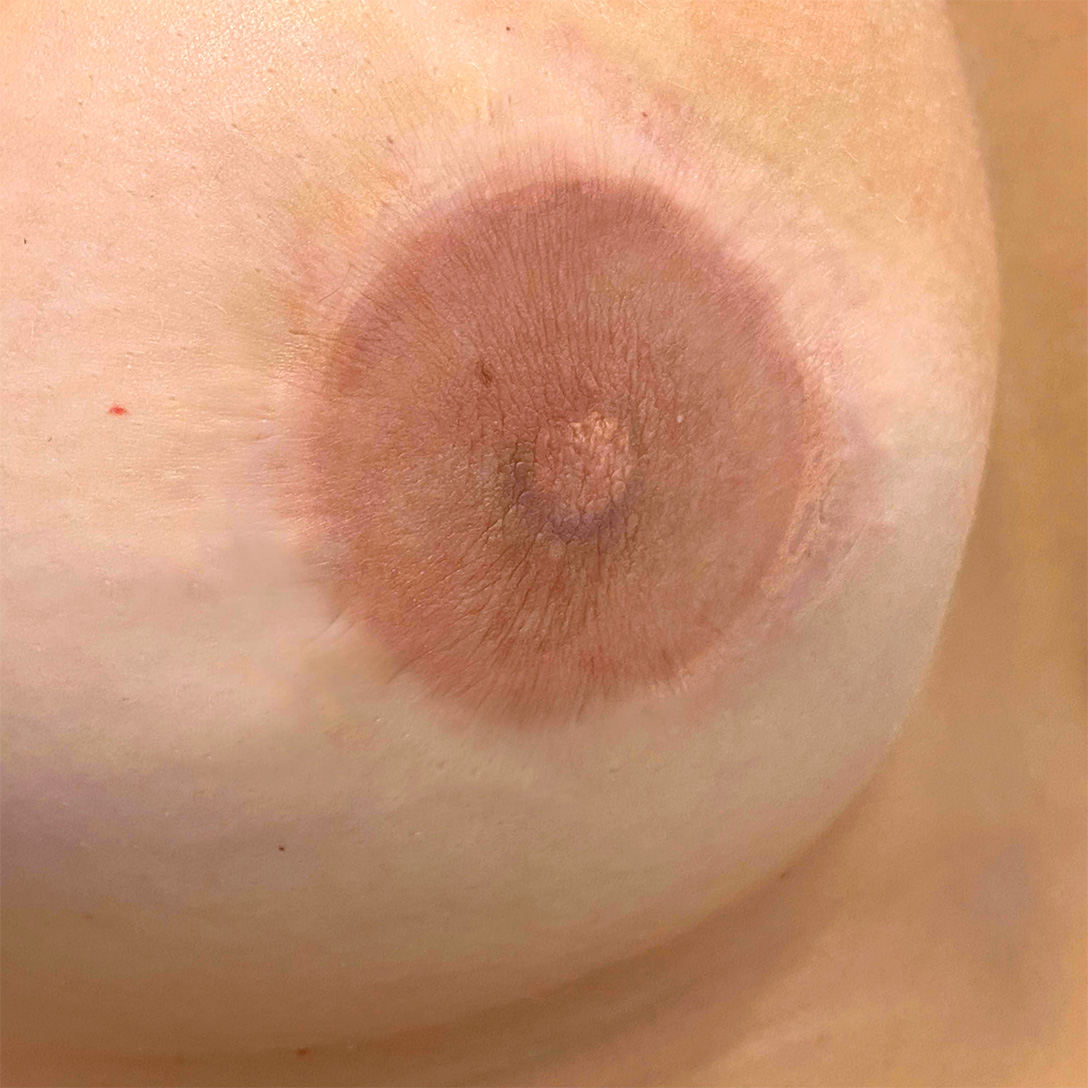
Areola Scar Camouflage

Through corrective micropigmentation, we reduce chromatic contrast, integrate the color with healthy tissue, and restore lost harmony to the breast, making the brand cease to be the main focus.

We work with custom pigments to integrate the tone of the scar (white, dark or irregular) with the surrounding skin, reducing the contrast and improving the overall harmony. The treatment is carried out progressively and usually requires between 3 and 4 sessions to achieve a harmonious result, always respecting the skin’s natural healing process.

This treatment helps to:

BEFORE

AFTER

Types of breast scar revision we treat

At Omicroart we are experts in camouflaging areolar scars, concealing vertical and inverted T scars, and areolar reconstruction after post-breast surgery complications, offering natural and hyperrealistic aesthetic results.

We improve both color and texture, always aiming for natural, undetectable results.

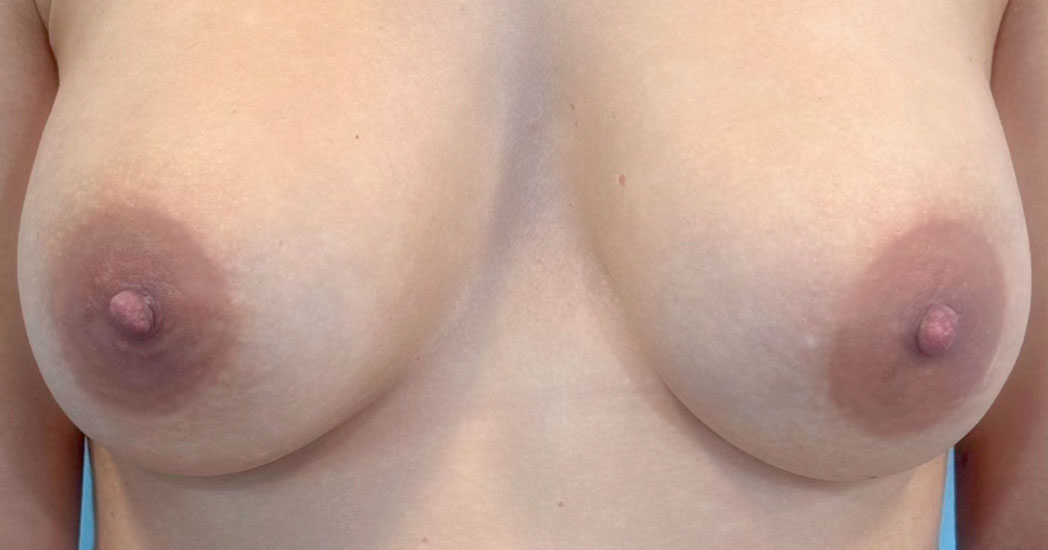
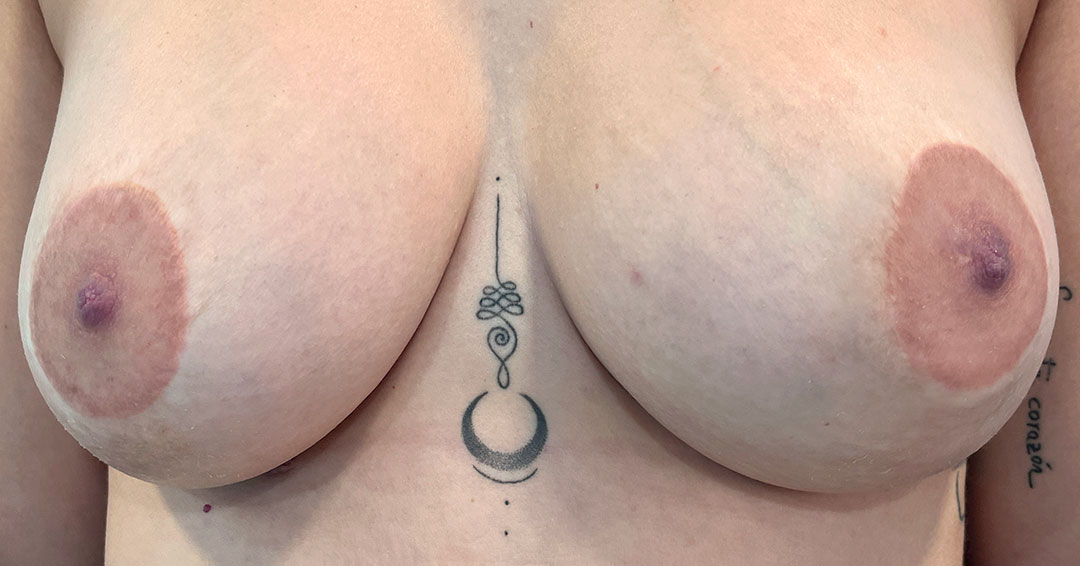
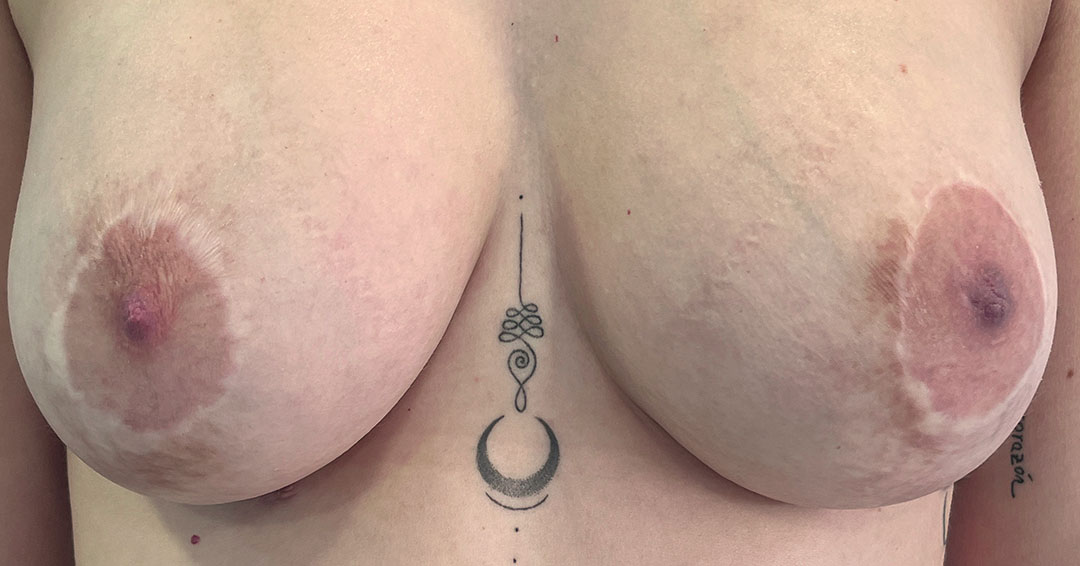
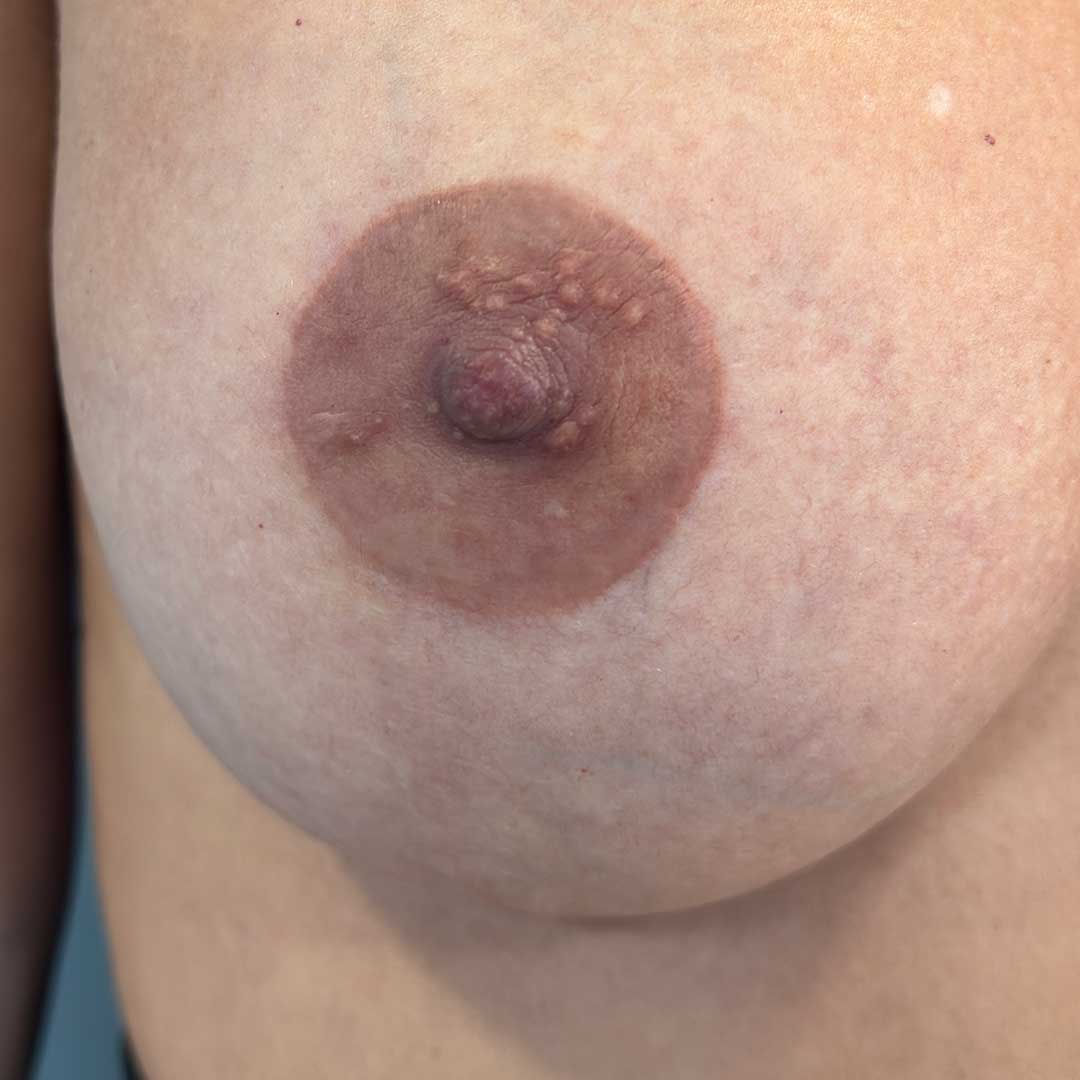
Camouflage for Light Areolas

We use pigments specifically designed for lighter skin tones. In some cases, a slight tonal difference may remain, and the surrounding camouflage might be more visible than desired.

BEFORE

AFTER

Result of scar camouflage in almost translucent areolas

Therefore, when working with extremely light or translucent areolas, we recommend tattooing the entire areola; this way we achieve a subtle and balanced increase in color, always preserving a delicate and natural appearance.

BEFORE
AFTER
BEFORE
AFTER

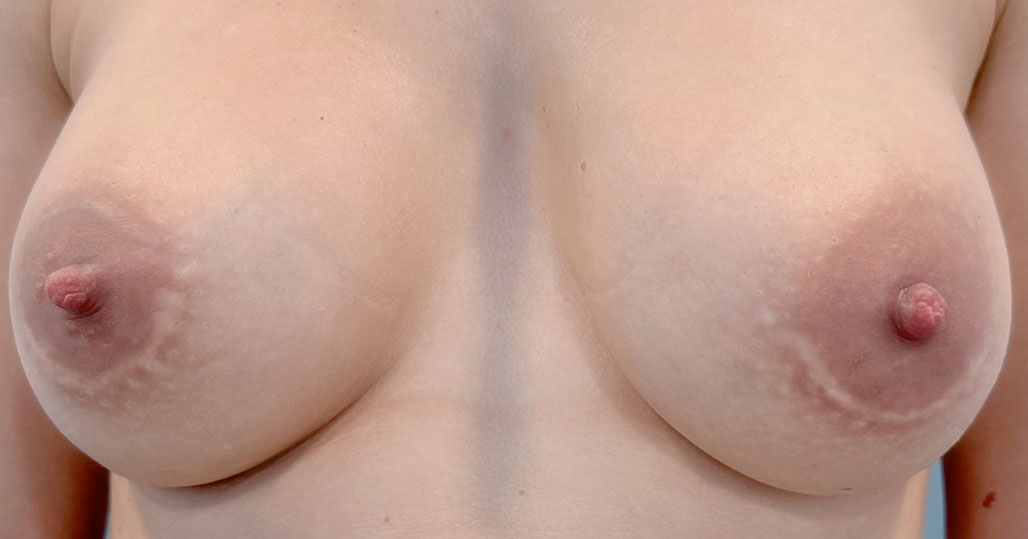
Crescent-Shaped Breast Scars

We often get asked how to fix breast augmentation scars. They can cover the entire outline or just the lower part, like crescent-shaped scars around the areola.

Here we work on tonal integration so that the scar no longer stands out visually.

How to cover up large scars around the areola

Paramedical micropigmentation to eliminate even extensive white or dark scars is a specialized technique that visually reduces contrast. We work on color, transition, and dermoregeneration of the scar tissue to restore harmony to the areola-nipple complex with naturalness and balance.

How to Treat Large Areola Scars

Paramedical micropigmentation to eliminate large white or dark scars on the areola is a specialized technique that visually reduces the contrast of scars after cosmetic, oncological, or gender-affirming surgeries. We work on the color, transition, and dermoregeneration of the scar tissue to restore the harmony of the areola-nipple complex with naturalness and balance.

Vertical and Horizontal Breast Scars

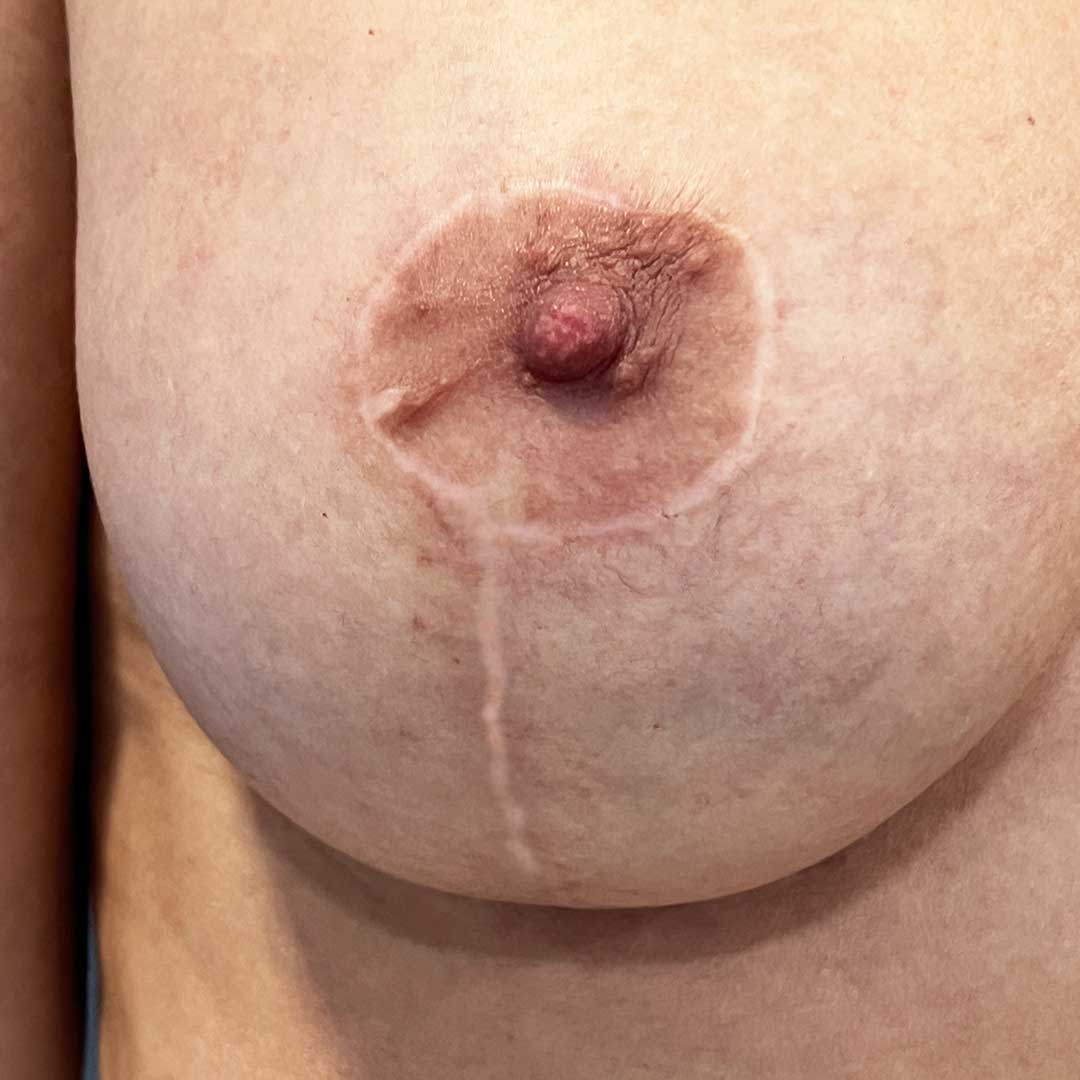
We address mastopexy or breast reduction scars with a comprehensive and virtually painless approach. We are able to camouflage both vertical and horizontal lines.

At Omicroart, we are committed to treatments that respect the skin and work in depth, incorporating the most advanced aesthetic biotechnology. The result is a smooth tonal transition.

eliminar-cicatrices-en-las-aureolas eliminar-cicatrices-en-la-aureola.jpg
eliminar-cicatrices-oscuras-en-el-pecho eliminar-cicatrices-oscuras-en-el-pecho-2

Can Inverted T Scars Be Camouflaged?

Yes. Especially when presenting white or brown tones (often due to melanocyte migration).

We use two techniques: advanced dermoregeneration of damaged skin and color correction with semi-permanent tattooing.

At Omicroart, we are committed to offering treatments that care for the skin from the deepest level. That’s why we incorporate the latest in aesthetic biotechnology.

Can Inverted T Scars Be Camouflaged?

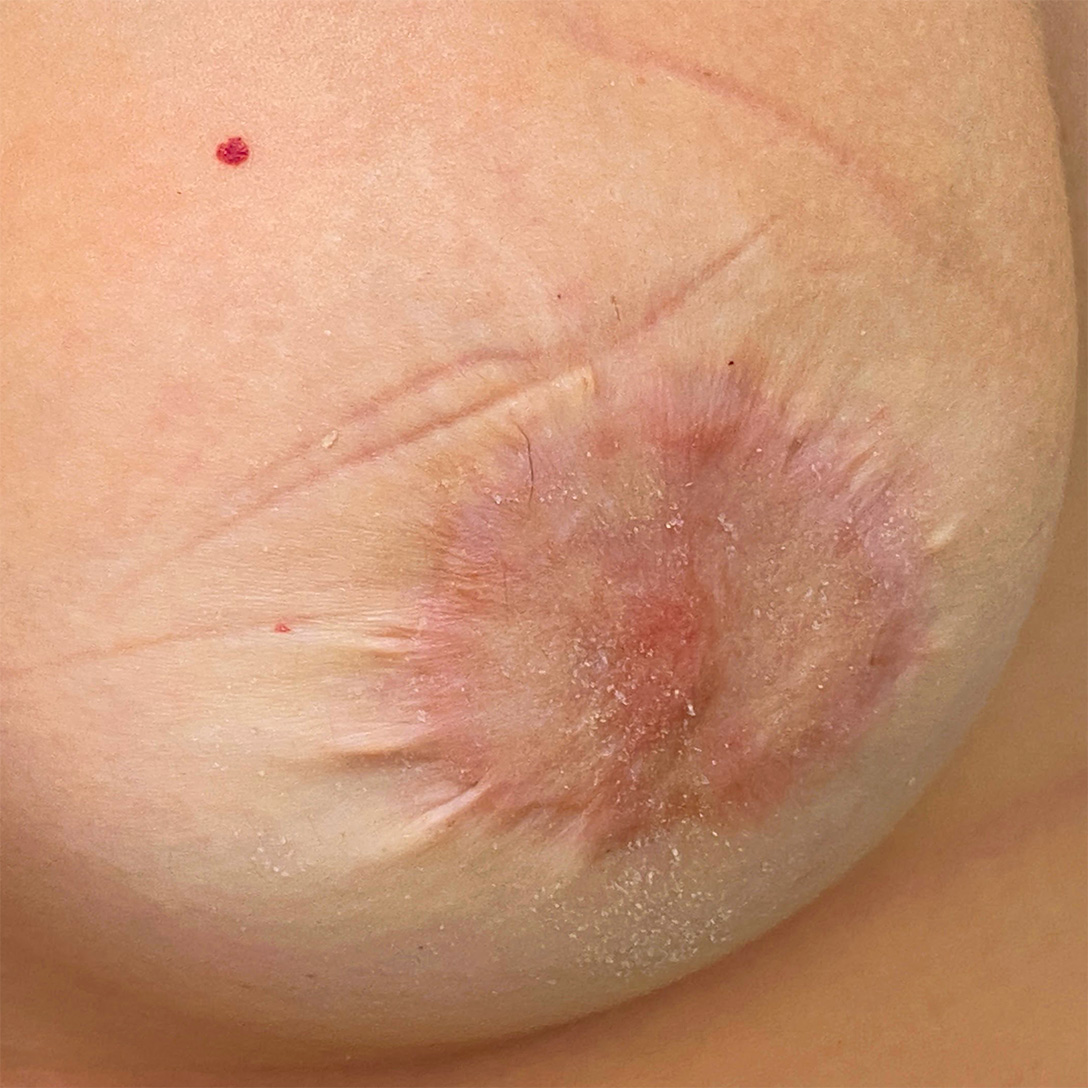
We correct mastopexy or breast reduction scars that are visible due to color differences. Often, these scars appear white and brown (due to the migration of melanocytes from the areola).

We correct mastopexy or breast reduction scars that are visible due to color differences. Often, these scars appear white and brown (due to the migration of melanocytes from the areola).

At Omicroart, we are committed to offering treatments that care for the skin from the deepest level. That’s why we incorporate the latest in aesthetic biotechnology.

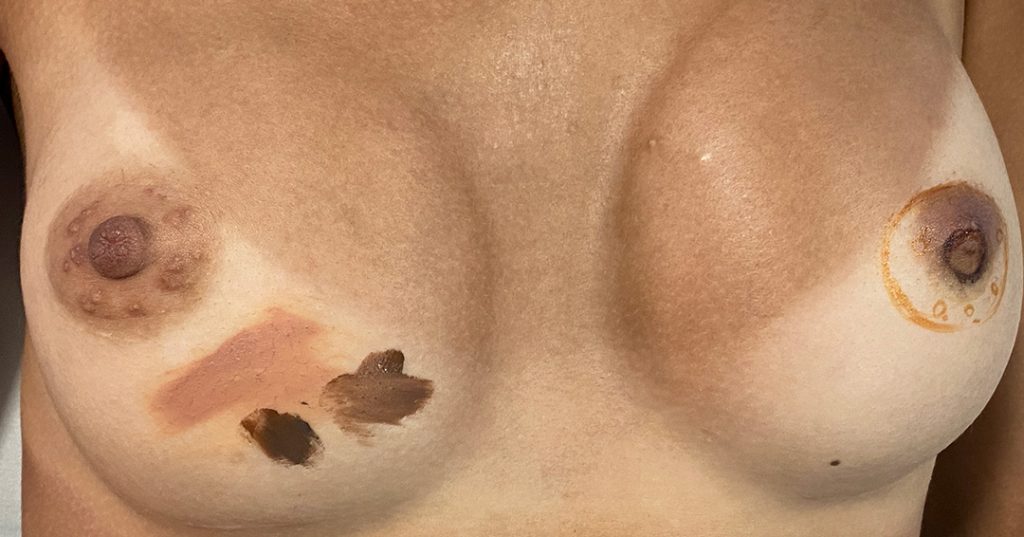
Total or partial reconstruction of the areola after necrosis

We can restore the shape and color of the areolas after a mastectomy or breast reduction surgery. Omicroart offers comprehensive support throughout this process, providing emotional support and achieving realistic and exceptional aesthetic results.

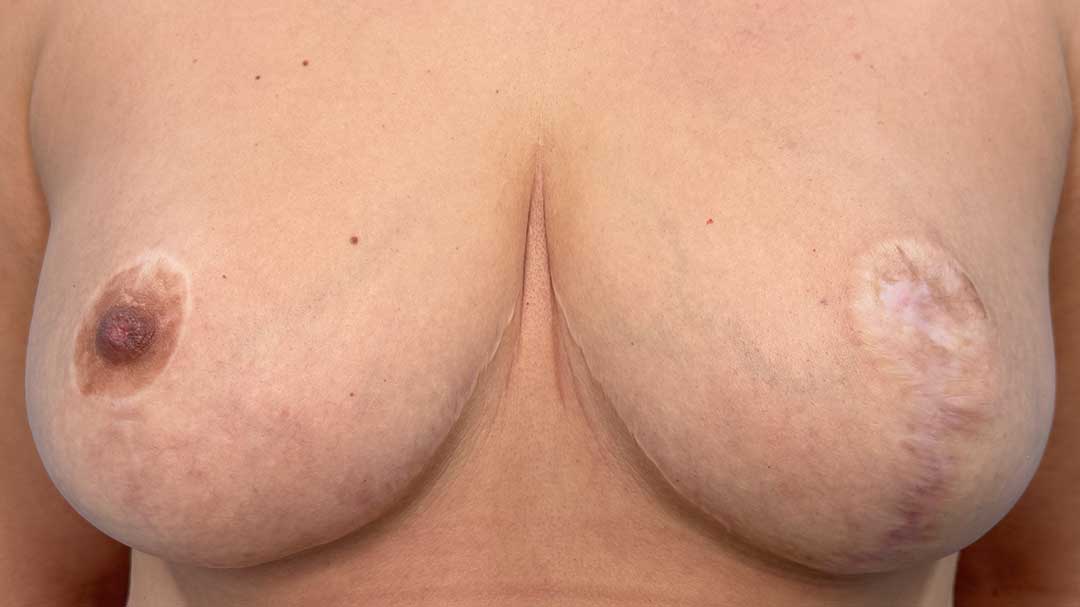
In cases of partial or total necrosis following surgery, we can improve the color of the areola. We can conceal areolar necrosis with natural results and restore the natural appearance of your breasts.

We recreate shape, optical volume and color using advanced 3D areolar reconstruction techniques

When can breast scar camouflage be performed?

The scar should be completely closed and stable, with no changes in size, color, or shape.

Normally, the minimum estimated time, depending on the case, is 6 to 12 months after surgery (depending on subsequent complications).

3D Areola Tattoo in Poland Syndrome

What alternatives are available to a patient with Poland syndrome?

Poland syndrome is a congenital disorder that affects the development of the pectoralis major muscle and breast on one side of the body.

Micropigmentation helps improve appearance to visually balance the look, including the aesthetic enhancement of both nipples.

BEFORE

AFTER

FAQ – Breast Scar Camouflage

Does it remove the scar?

No. It reduces its visual contrast.

How many sessions are needed?

Usually 2–4 sessions.

Is it painful?

Minimal discomfort. Highly tolerable.

is it permanent?

Long-lasting, with occasional maintenance over time.

If you’re unsure whether your scar can be treated,
Take the first step toward feeling comfortable in your skin again.

If your spots are not related to vitiligo but to hypopigmented scars, you can consult our scar camouflage treatment.

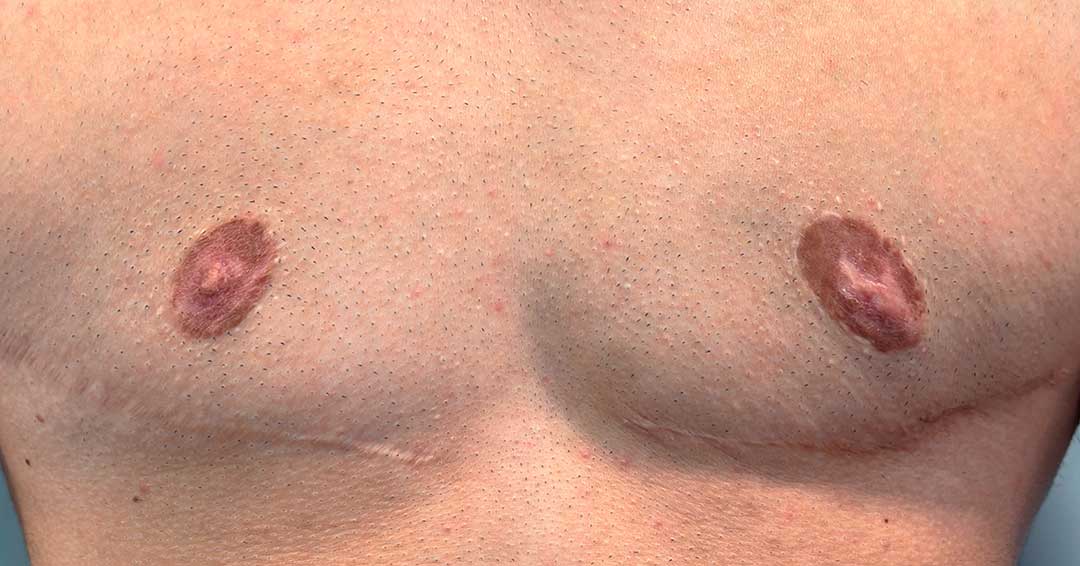
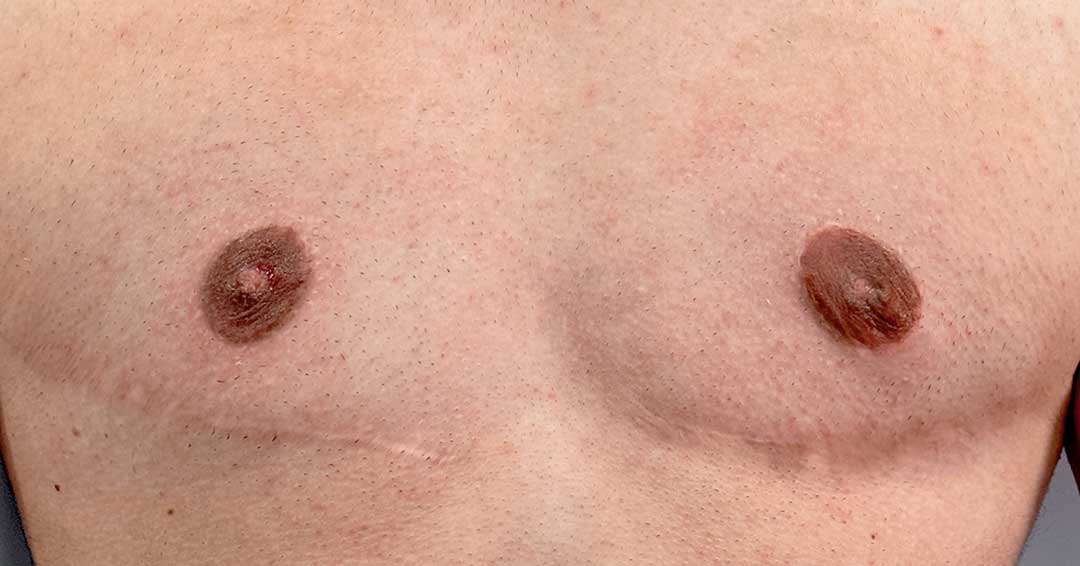
Male Chest Scar Camouflage

We worked on integrating the color so that the scar stops attracting attention.

Camouflage of scars on the male chest requires adapting the technique to the skin and hair pattern of each case.

Whether it’s after gynecomastia, a reduction, or a gender affirmation process, we work with color to integrate the scar and reduce its visibility.

The goal is clear: to stop it from attracting attention and allow you to show off your torso with more confidence.

Male skin has specific characteristics. So does the technique.
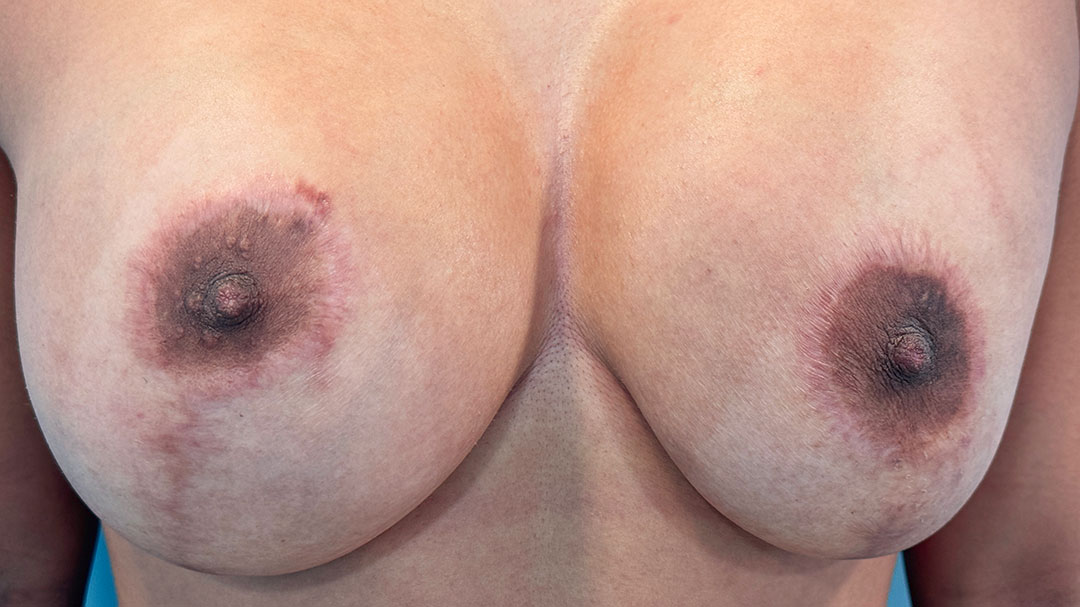
Breast scar camouflage after partial or total necrosis in sex reassignment surgery

We work on scars from gender affirmation surgeries for both women and men. We improve color, integrate scar tissue, and harmonize the areolas.
With respect. With technical precision.

reconstrucion-areolar-tras-reasignacion-de-sexo.jpgreconstrucion-areolar-tras-cambio-de-sexo.jpg

Increase in areolar size and harmonization in sex change

In gender affirmation processes, we carry out:

BEFORE

AFTER

Frequently Asked Questions about Scars on the Male Chest

Does the scar disappear?

No. The goal is to avoid any perception of cosmetic intervention. El objetivo es que no se perciba intervención estética.

When can I do it after surgery?

When the scar is mature and stable (minimum 8-12 months).

If a scar on your chest bothers you, you don’t have to resign yourself to it.

Request a professional assessment and we will study your case with technical criteria.

If you’re ready to take this step, we offer an honest and professional assessment to achieve real results without false expectations.